
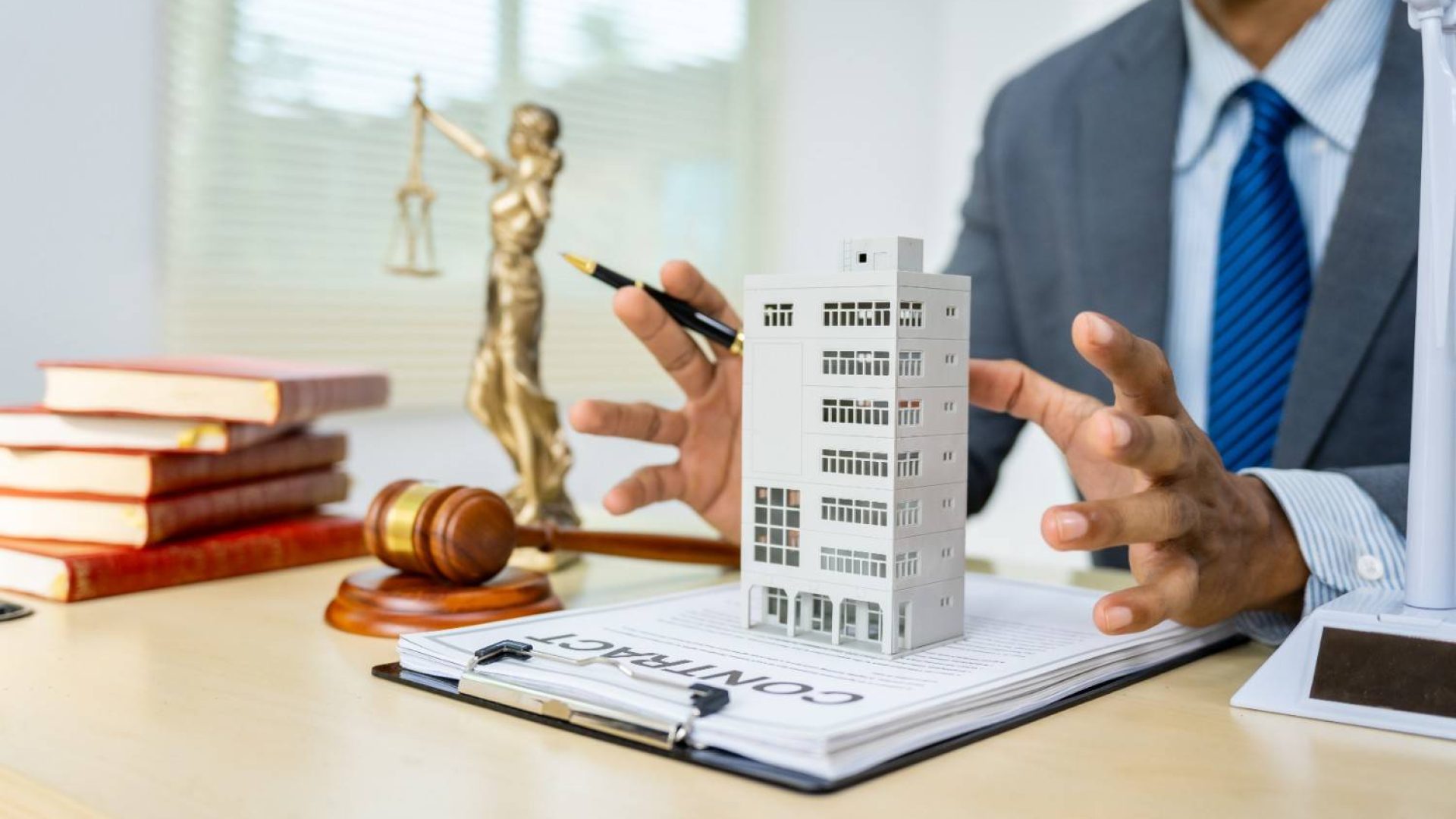
Entering into a commercial property agreement in West Virginia involves far more than negotiating monthly rent. Many tenants focus on the price per square foot while overlooking complex legal provisions that can dictate long-term profitability.
From common area maintenance audits to restrictive use provisions, these are some of the “hidden” clauses that our commercial lease attorneys at Lewis Gianola PLLC often evaluate to protect our clients.
Operating Expenses and CAM Audits
Common Area Maintenance (CAM) charges are a frequent source of friction. Without specific guardrails, these expenses can escalate if a landlord includes capital improvements or excessive administrative fees in the pass-through costs. A skilled commercial lease agreement attorney will negotiate caps on annual increases to ensure predictable overhead.
You should also secure an explicit legal right to audit the landlord’s financial records. This allows you to verify that expenses are allocated correctly and prevent overpayment. To protect your bottom line, consider adding these specific exclusions to your CAM definitions:
- Costs related to the initial construction of the building
- Expenses directly attributable to another specific tenant
- Real estate brokerage commissions or advertising costs
- Interest or principal payments on the landlord’s mortgage
Use Clauses and Exclusivity Rights
The permitted use clause defines what you can do in the space. If the language is too narrow, it might prevent your business from evolving or adding new product lines. Conversely, you must ensure your lease contains exclusivity rights. This prevents the landlord from leasing any space within the property to a direct competitor, preserving your market share within the development.
Navigating sublease and assignment rights is equally vital, especially during a business sale. A business and real estate lawyer ensures that the landlord cannot unreasonably withhold consent if you need to transfer the lease to a new owner.
Maintenance and Repair Gray Areas
Many leases contain gray areas regarding high-ticket items, such as HVAC systems or roofing. While tenants often handle interior repairs, the responsibility for replacing major mechanical systems should ideally fall on the landlord. If a property becomes unusable due to structural failure, you may need a commercial real estate litigation attorney to argue for constructive eviction or rent abatement.
Leases must also address force majeure and casualty clauses to account for business interruptions. A commercial real estate lawyer can help ensure all of these provisions are clearly defined before you sign.
Partner with a Commercial Lease Attorney at Lewis Gianola PLLC in WV
Whether you’re negotiating your first lease or restructuring a portfolio of properties, a business and real estate lawyer who understands the WV market and surrounding regions can help you secure a fair agreement. Beyond simple document review, having legal guidance on renewals and expansions provides essential protection for tenants and landlords alike.
At Lewis Gianola PLLC, our leasing lawyers represent both sides of the table, identifying potential liabilities before they become expensive disputes. Whether you’re a tenant reviewing lease terms or a landlord drafting them, contact our real estate legal team today to protect your commercial interests.
FAQs
What is the difference between a usable and rentable square foot?
Usable square footage is the actual space your business occupies. Rentable square footage includes your portion of shared building areas, such as lobbies or hallways. Landlords use a load factor to calculate the total rent you pay.
Can a landlord terminate my lease if they decide to sell the building?
Only if there is a specific “termination on sale” clause. Without this provision, the new owner must generally honor the existing lease terms until the contract expires.